
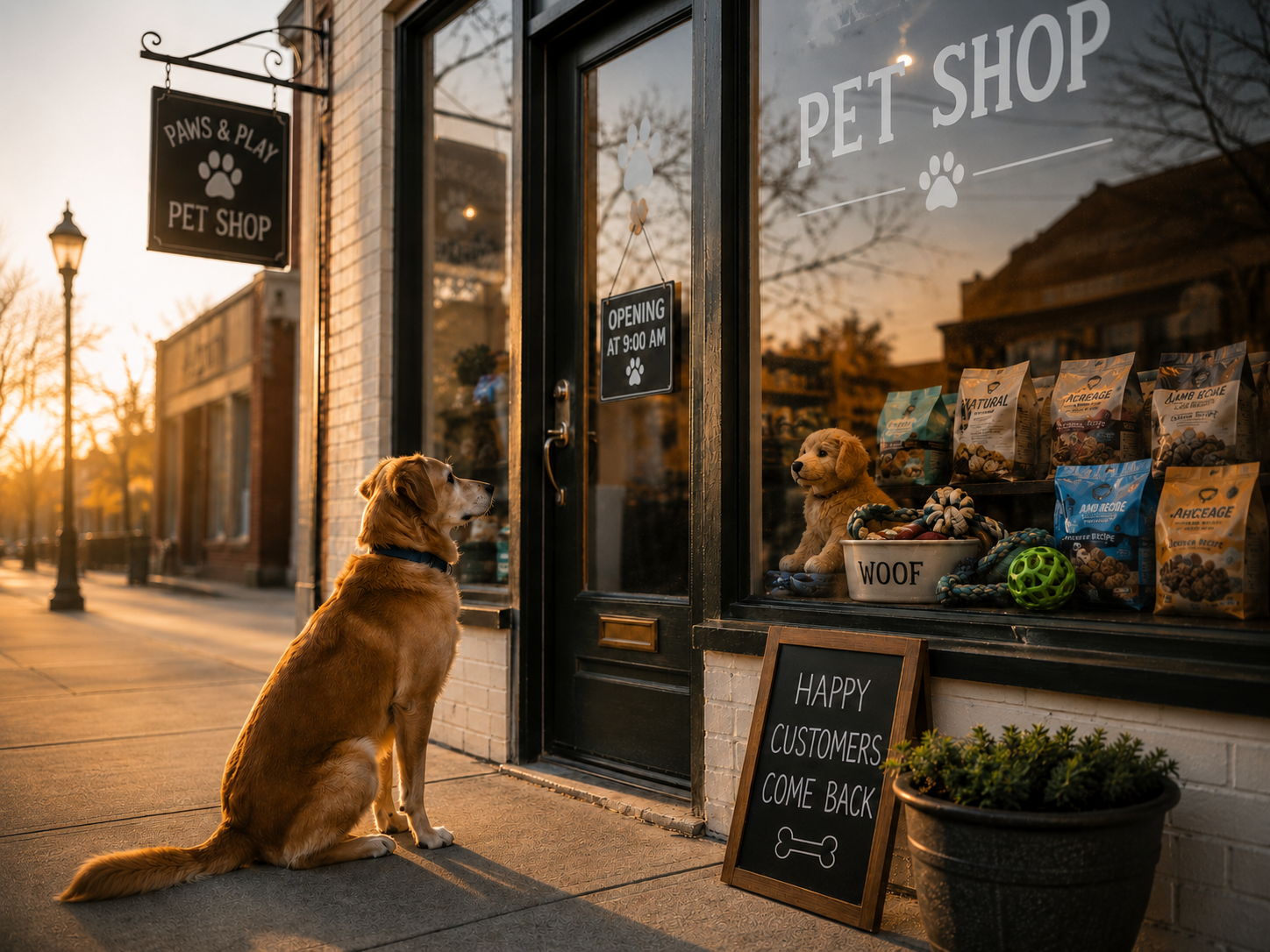
From First Visit to Loyal Customer
Create better customer experiences and build lasting loyalty.
Customer Loyalty: How Businesses Can Keep Customers Coming Back
Loyalty Starts Before Technology
Customer loyalty does not start with an app, a points card, or a discount campaign. It starts with the reason customers choose your business in the first place.
For a restaurant, this may be the food, the service, the atmosphere, the price, or the personal connection with the owner or staff.
For a retail store, it may be product quality, personal advice, convenience, trust, or the feeling that customers are treated as regulars, not just transactions.
Technology can support loyalty, but it cannot create it from nothing. If the basic experience is weak, no loyalty program will magically fix it. Sadly, software still refuses to perform miracles.
Loyalty Without Technology
Many strong loyalty drivers do not require advanced systems.
A waiter who remembers a guest's favorite drink can create loyalty. A store employee who knows a customer's size, style, or favorite brand can create loyalty. An owner who personally greets customers and makes them feel welcome can create loyalty.
Consistent quality also matters. Customers return when they know what to expect: the same good food, the same reliable service, the same fair prices, and the same comfortable experience.
These human details are powerful because they make customers feel recognized.
Where Technology Helps
Technology becomes useful when it helps the business remember, measure, and act on customer behavior.
A loyalty system can help track: who visits regularly; what customers usually buy; which products or dishes bring people back; which customers have not returned recently; which promotions actually work; and which customer groups spend more over time.
For example, a restaurant can send a birthday offer, invite regular guests to a wine dinner, or promote a new menu item to customers who usually order similar dishes. A retail store can notify customers when a favorite brand, size, or product type is back in stock. The goal is not to send everyone the same discount. The goal is to communicate with more relevance.
Keeping Customers Engaged Between Visits
One of the biggest challenges is keeping customers connected when they are not actively looking for something. This is where businesses can use both creativity and data.
A restaurant can bring customers back with seasonal menus, tasting events, happy hours, chef specials, private dinners, or limited-time offers. A retailer can use new arrivals, exclusive previews, loyalty days, personal shopping moments, product launches, or targeted promotions.
Technology helps decide who should receive which message. A lunch customer should not always receive the same message as a dinner guest. A customer who buys premium wine should not receive the same promotion as someone who usually comes for casual drinks. A retail customer who buys children's clothing should not receive the same campaign as someone who buys business wear.
Better data makes communication more useful. And useful messages are much less annoying than random marketing noise, a concept humanity continues to struggle with.
Loyalty Should Feel Personal, Not Pushy
Good loyalty feels helpful. Bad loyalty feels like pressure.
Businesses should use customer data to improve the experience, not to overwhelm people with constant promotions.
For example, a good loyalty message might say: “We noticed you enjoy our sushi nights. This Thursday we have a new tasting menu.” Or: “Your favorite brand has just arrived in new colors.”
That feels relevant.
But sending discounts every week to everyone feels lazy. Customers learn to wait for discounts, and the business slowly trains people not to pay full price. A stunning achievement in self-sabotage.
What Businesses Should Measure
A loyalty strategy should be measured properly. Useful indicators include: repeat visits; average spend per customer; customer groups; visit frequency; products or dishes linked to repeat purchases; campaign results; customer inactivity; gift card usage; discount impact; and feedback and complaints.
This helps management understand what actually drives loyalty. Are customers returning because of the product? Because of the staff? Because of price? Because of convenience? Because of specific promotions?
Without data, businesses guess. With better reporting, they can make smarter decisions.
How Solutech Can Help
At Solutech, we help restaurants, hotels, and retail businesses turn customer loyalty into something practical and measurable. This can include reviewing the POS setup, customer data, product groups, loyalty options, gift cards, promotions, reporting, and possible integrations.
We help businesses answer questions such as: Are we collecting useful customer information? Can we identify regular customers? Do we know what our best customers buy? Can we create targeted promotions? Are discounts helping or hurting our margins? Can we measure whether campaigns bring customers back? Is our POS system structured to support loyalty?
The goal is not to install technology just because it exists. The goal is to create a loyalty setup that fits the business, supports the customer experience, and helps management make better decisions.
Loyalty Is Built by People and Strengthened by Technology
Customers return when they trust the business, enjoy the experience, and feel valued. Technology helps businesses support that relationship with better information, smarter communication, and clearer reporting. The strongest loyalty strategy combines both: human connection and practical technology. Because customers do not stay loyal to points. They stay loyal to businesses that give them a reason to come back.